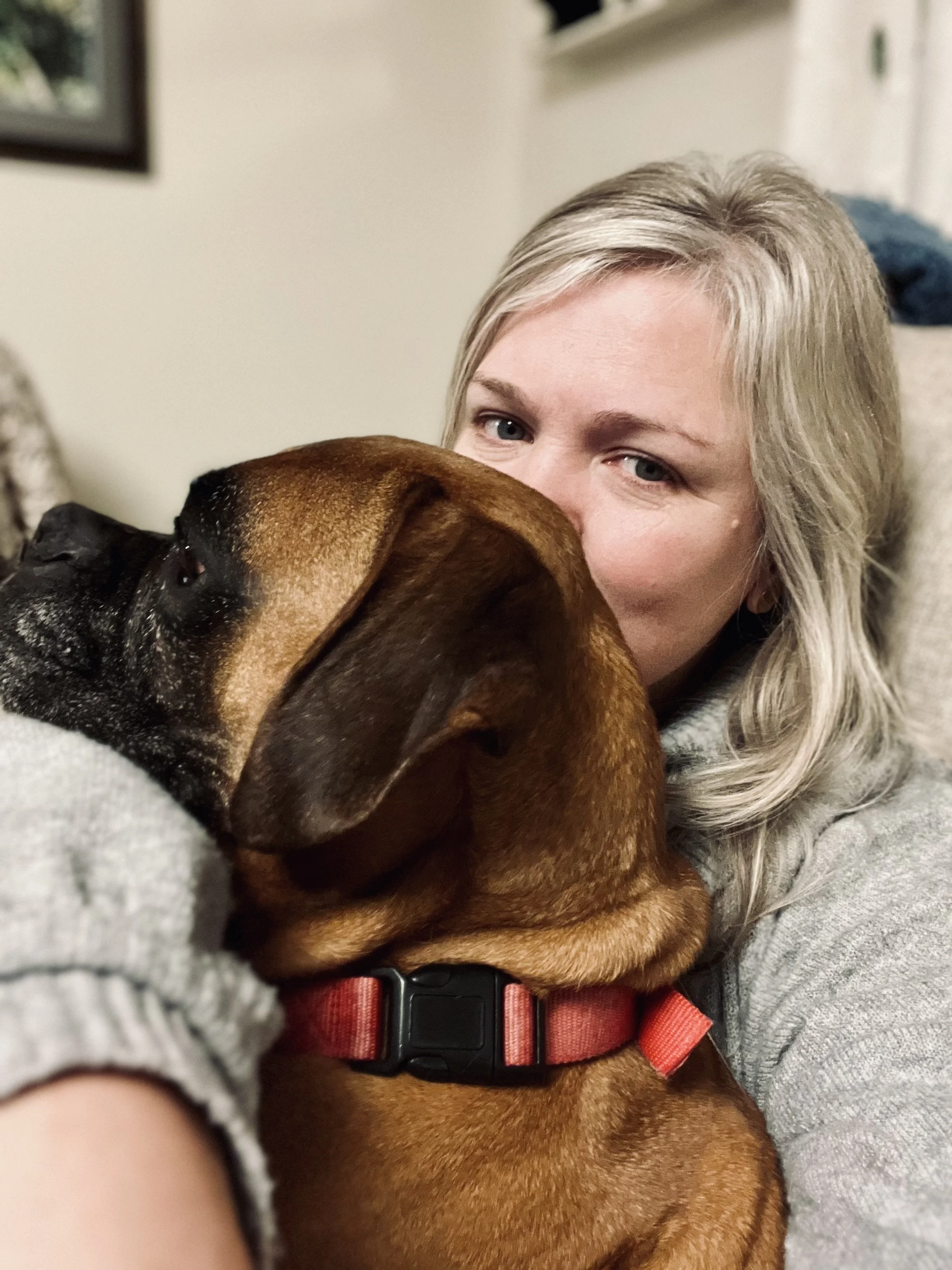
Sandra Carlin
Hello & WelcomeMy first impression of death was calm and homey. I said a prayer at my great-grandmother’s bedside at her home in Somerville on a Sunday after church. I was told she had seen an angel at the foot of her bed the night before, so it was time to say goodbye. There were a lot of people in the house and in and out of the room, but it felt almost like any other Sunday.
There were a lot of wakes and funerals in my life when I was young. Kneeling at a casket wasn’t comfortable, but it also wasn’t strange. Even though these things seemed to be a part of normal life, I was rarely given the opportunity to say goodbye. I was often not allowed anywhere near someone who was sick or dying, and never if they were in the hospital. When I was five, a person very close to me suffered a brain hemorrhage and died, but I wasn’t allowed to say goodbye to her at the hospital, nor could I attend the funeral. That still bothers me.
As an adult, my mother told me not to be at the bedside when a person close to me was about to be taken off life support because I would never forget it. I chose to be at her bedside, but I wish I could have done more for her and for others that day. It was very hard in that cold, bare room, and only one of us knew to place her rosary beads in her hands before she passed. We were all unsure of how to behave around the machines and the nurses, what we were allowed to say or do- so we did very little.
I felt called to do more in this field a few years ago, at the bedside of a beloved uncle, when he passed at home, surrounded by family, in the most loving and beautiful way possible. His passing led me to this work and to training as an end-of-life doula and funeral celebrant.
Most people do not want to talk about death and dying, which means it can be very hard to talk to anyone about it when you most need to. It is especially hard for older parents to engage adult children in conversations about end-of-life worries, choices, needs, changes, priorities, and the like. I approach this work with kindness, gentleness, and also professional detachment— allowing you to do the work and create the documents, video and voice recordings, personal legacy projects, eulogies, time capsules, advance directives, and more that will guide your end-of-life choices and wishes based on your values and morals.
I look forward to working with you.
Warmly,
Sandra